Pennsylvania Solar Incentives 2026: Rebates, Grants & Free Solar Programs
If you’re exploring ways to cut your energy costs, the solar incentives Pennsylvania offers in 2026 can meaningfully reduce what you pay upfront. Pennsylvania offers a variety of programs and benefits to make solar installation more affordable and accessible. By combining federal and state-level incentives, you can significantly reduce upfront costs and maximize your long-term savings. This guide dives into these incentives and provides actionable steps to get started.
What Are Pennsylvania Solar Incentives?
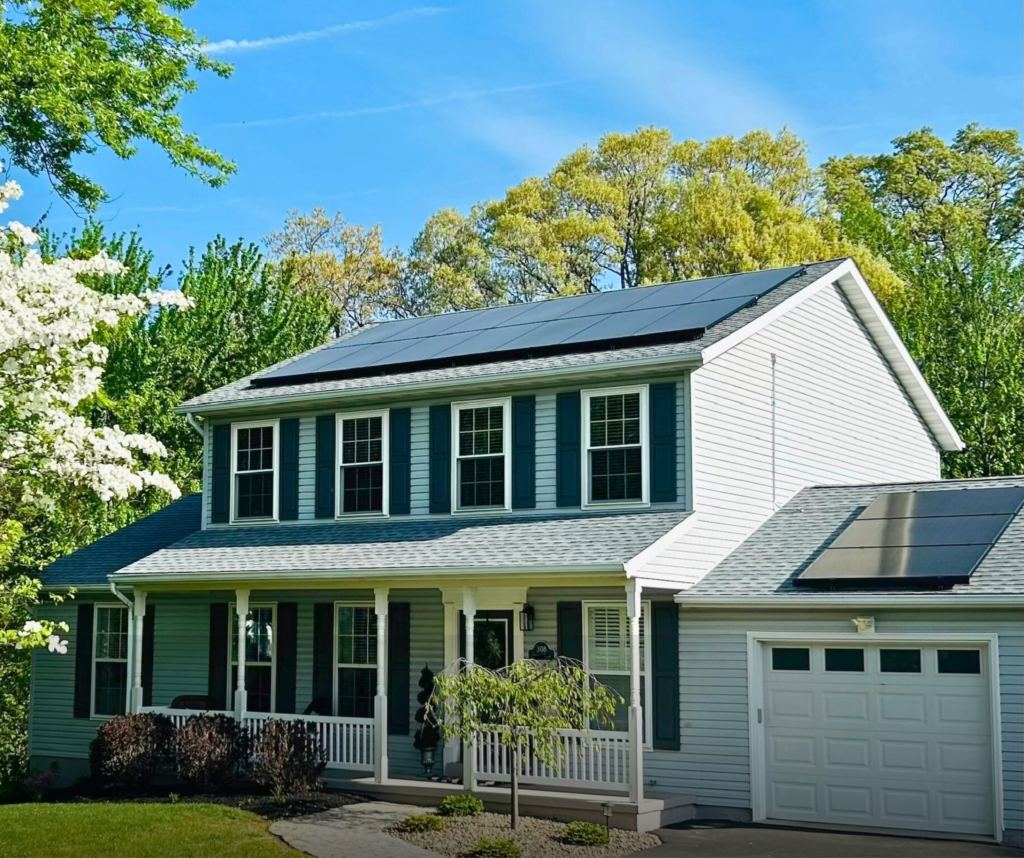
With various programs available, solar incentives in PA make it financially rewarding to invest in clean energy. These PA solar subsidies include federal tax credits, Renewable Energy Credits, net metering benefits, and utility-run programs.
Federal Solar Investment Tax Credit (ITC)
The federal solar tax credit no longer works the way it did for most of the past decade. The 30% Residential Clean Energy Credit, Section 25D, commonly called the federal investment tax credit or ITC expired on December 31, 2025 under the One Big Beautiful Bill Act. If you buy solar panels outright in 2026 with cash or a loan, there is no federal credit to claim.
If your system was installed on or before December 31, 2025, you can still claim the 30% credit on your 2025 return, and any unused portion carries forward to future tax years. The installation completion date is what counts not the contract date or the payment date.
If you’re going solar in 2026, the one remaining federal pathway is third-party ownership. Under a lease or power purchase agreement (PPA), the company that owns the system claims the commercial version of the ITC and passes the benefit through as a lower monthly payment or a lower per-kWh rate. You don’t claim anything on your own taxes, and you don’t need tax liability to benefit. Which is why this route now works for retirees and lower-income households that could never fully use the old credit. Battery storage paired with the system falls under the same arrangement; standalone residential battery storage lost its federal credit on the same date solar did.
The practical effect in Pennsylvania is that state and utility-level programs carry more weight than they used to. Net metering through PPL Electric, PECO, Penelec, or West Penn Power, plus SREC income and local rebates, now make up the bulk of the savings math rather than sitting on top of a 30% federal discount.
Pennsylvania Solar Renewable Energy Credits (SRECs)
The Pennsylvania solar panel incentives program includes SRECs. Known in Pennsylvania statute as Tier I solar alternative energy credits under the state’s Alternative Energy Portfolio Standard. They provide an additional revenue stream for solar panel owners.
For every 1,000 kWh your system generates, you’ll earn one SREC. You’ll also see these called solar renewable energy certificates, which is the same thing. These certificates can be sold to utilities, which must meet renewable energy standards mandated by the state’s alternative energy portfolio standard.
At current rates, SRECs sell for approximately $40–$50 in Pennsylvania , meaning a 6-kW system generating 8,000 kWh annually could earn about $320–$400 per year.
Pro Tip: Platforms like SRECTrade make it easy to manage and maximize your earnings from SRECs.
Net Metering Benefits
A standout offering in the PA solar panel program is net metering, which allows homeowners to sell any excess energy back to the grid. You earn credit for this energy at the same rate you pay for electricity, drastically reducing your energy costs over time.
Energy produced during sunny months can offset cloudy-day or night-time usage. And unlike a promotional offer that a company can withdraw, net metering is mandatory. All investor-owned utilities in Pennsylvania are required to offer it, which is what makes it something you can actually build a 20-year savings estimate around.
Net metering and your electric supplier are two different things. Because Pennsylvania is deregulated, you choose your electric supplier separately from the utility that owns the wires into your house. Net metering, electric supplier billing, and interconnection all get handled in different places and your supplier sets the generation rate you pay, while your utility administers your net metering credits. Shopping around for a cheaper supplier won’t put those credits at risk.
Utility Solar Programs in Pennsylvania
Your utility determines how net metering and interconnection actually work for you. PPL Electric, PECO, Penelec, West Penn Power, Met-Ed, and the Duquesne Light Company are all investor-owned utilities regulated by the Pennsylvania Public Utility Commission, which sets the baseline net metering rules they must follow.
That baseline is why net metering credits in Pennsylvania are worth full retail rate, but application processes, interconnection timelines, and credit rollover handling still differ from one utility to the next.
Solar for All
If you’ve read about Solar for All, here’s the honest status, the program is not operational, and no applications are being accepted.
Pennsylvania was awarded $156 million in April 2024 under the EPA’s Solar for All competition. The Pennsylvania Energy Development Authority (PEDA) and the Philadelphia Green Capital Corp were set to run it, with a goal of installing solar for roughly 14,000 low- and moderate-income households over five years, plus funding for the roof and electrical repairs many of those homes would need first.
In August 2025, the EPA terminated the national $7 billion Solar for All program and pulled back the awarded funds. Pennsylvania joined a multi-state lawsuit challenging that decision, and the litigation is still unresolved as of 2026. Until a court orders the funding restored, there is no Pennsylvania Solar for All program to apply to.
A word of caution. The Pennsylvania DEP has issued a direct warning on this: homeowners should disregard any solar installer claiming to be an active Solar for All partner. No installer is enrolling homeowners in this program right now, because there is no program to enroll in. If someone tells you otherwise, that’s your signal to walk away.
What to do instead. If you’re a lower-income Pennsylvania homeowner who was counting on Solar for All, the practical alternatives today are net metering combined with SREC income, local rebates like Philadelphia’s, and third-party ownership through a solar lease or PPA, which requires no upfront cost and no tax liability to benefit from.
Local Solar Rebates
One financing route worth knowing about if your roof isn’t solar-ready. Pennsylvania’s Homeowners Energy Efficiency Loan Program (HEELP), run by the PA Housing Finance Agency, offers $1,000 – $10,000 at a fixed 1% rate over ten years for income-qualified households.
HEELP doesn’t fund solar panels themselves, but it does cover roof replacement, insulation, and air sealing and a failing roof is the most common reason a solar project gets postponed. The Homeowners Energy Efficiency Loan Program can make the prerequisite work affordable before you install.
It’s worth being straight about the gaps. Unlike New Jersey and Maryland, Pennsylvania has no state solar sales tax exemption and no property tax exemption. The state’s 6% sales tax applies to your equipment and installation, and the value solar adds to your home is included in your assessed value.
There’s also no state income tax credit. Pennsylvania’s incentive stack is built on ongoing returns through net metering and SRECs rather than upfront discounts, which is why payback math here depends more on your utility rate than on any single program.
Is Solar a Good Investment in Pennsylvania?
Absolutely! When paired with available solar incentives in PA , a solar panel system become a highly cost-effective and rewarding investment.
Financial Savings
The average Pennsylvania homeowner saves around $1,000 annually on energy bills after switching to solar. Over 20 years, that amounts to $20,000 or more in total savings.
Property Value Boost
Homes with solar installations tend to sell faster and for higher prices. Residential Solar systems are seen as both eco-friendly and cost-saving features by potential buyers.
Environmental Impact
By adopting clean energy through a PA solar program, you’ll contribute to reducing greenhouse gas emissions. Even a single panel system can offset several tons of carbon dioxide annually, making your home greener and more sustainable.
Step-by-Step Guide to Maximizing Pennsylvania Solar Incentives
Step 1: Research Available Incentives
Start your solar journey by exploring all available local and state Pennsylvania solar panel incentives . Resources like DSIRE can help you identify specifics in your area.
Step 2: Schedule a Free Consultation
Professional solar installers assess your home’s energy needs, roof suitability, and savings potential. Production estimates, equipment, and net metering assumptions vary more between bids than most homeowners expect. Contact us for free solar quotes to see how you can benefit from available solar panel incentives Pennsylvania offers.
Step 3: Combine Federal and State Incentives
Take full advantage of the ITC, SRECs, and net metering. Proper planning and leveraging multiple incentives can significantly enhance your return on investment.
Step 4: Work With Experienced Installers
Pick a licensed and knowledgeable solar installer who is familiar with PA solar incentives and program requirements. Consider NABCEP-certified professionals to ensure quality service.
Step 5: Register for SRECs and Net Metering
After installation, your system isn’t finished until your utility grants permission to operate. Which is the formal sign-off that lets you switch the system on and start banking net metering credits. Permission to operate typically follows inspection and interconnection approval, and timelines vary by utility. Once you have it, register your system to start earning credits.
Work With A Solar Panel Installer In Pennsylvania

With a variety of PA solar incentives and programs like net metering and SRECs, going solar in Pennsylvania is more accessible than ever. Don’t wait, schedule your free solar consultation today and start saving while helping the environment!
FAQs
Yes! Pennsylvania provides PA solar incentives like SRECs, net metering, and local rebate opportunities to make solar more affordable.
Absolutely. By leveraging solar incentives in PA , many homeowners enjoy reduced energy bills and increased property value, making it a worthwhile investment.
While Pennsylvania doesn’t offer a state-wide rebate, programs like the Philadelphia Solar Rebate can offset upfront installation costs.
Searches for a free solar panel program in Pennsylvania usually turn up two real things and a lot of noise. The first is Solar for All, which can cover most or all of the cost for qualifying low- and moderate-income households.
The second is third-party ownership, a lease or power purchase agreement where the installer owns the system, claims the available incentives, and you pay nothing upfront. Neither is a giveaway, but both mean $0 out of pocket at installation. Offers promising free solar panels in Pennsylvania with no conditions attached are almost always one of these two structures described loosely.
Published By Ricardo – A Freelance SEO Specialist