Solar for New Construction: What to Know Before You Build
You’re building a new home and thinking about going solar for long-term savings on your electric bill. There’s already a lot of invested money for your new build, so adding more to your plate does sound like a stretch right now
The thing is… waiting after your new home is built doesn’t save you any money.
Retrofitting solar panels onto a newly finished home always costs more than planning for it while you build and every month on the grid is money you won’t get back. But the good news is that if you plan solar for new construction, it’s easier and cheaper than you think.
Here at Ethical Energy Solar, we’ve worked on thousands of tailored solar panel system installations for homeowners within different stages. Whether it’s still finalizing blueprints, mid-construction or already existing homes.
And we’re going to cover the comprehensive guide for Pennsylvania homeowners planning new construction who want solar built so you can make the right decisions before the first panel ever goes up.
Why New Construction Is the Best Time to Go Solar
As we said before, installing solar panels for new construction will be the most cost effective time if you are considering it. You get a ~20% cost advantage over retrofitting down the line if you wait.
The reason being is that your new home build can be designed with solar in mind, removing all of the expensive retrofitting work:
- Electrical Systems: When wiring the electric work, you can size the panel, run conduit and place the inverter within connection points while the walls are still open before finishing drywall and cutting into those later.
- Roof Orientation: Having maximum sun exposure is the most important aspect of solar panel efficiency. With this in mind the architect can design and position your roof optimally. Retrofitted customers are stuck with whatever roof they have, regardless if it faces the wrong direction or has any blockages such as trees.
- Streamlining Permitting: Solar panel installations can be bundled into your already existing building permits instead of filing these separately. This would mitigate scheduling a second round of inspections and approvals down the line.
Designing Your New Home for Solar From Day One
Now, what are your steps on going solar for new construction systems? We’ll break down the exact steps our customers go through when setting up solar panels for their new homes with us here at Ethical Energy Solar.
At the start we start with a free solar consultation phase to get more context of your property.
From there, we move into the solar design phase, where we structure your solar panel system covering roof orientation (south-facing preferred), the exact pitch and tilt, and avoiding shade from dormers, chimneys, vents, trees, and other obstructions.
After that’s covered, we’ll walk through the more specific details.
Choosing Your System Type (Roof or Grounded Solar)
Once we’ve mapped out the design of the new build solar panel installation, the next phase comes down to choosing the right solar panel system.
The consultation and design work from the previous step directly shapes this decision, giving us the information we need to recommend the best setup tailored to your property.
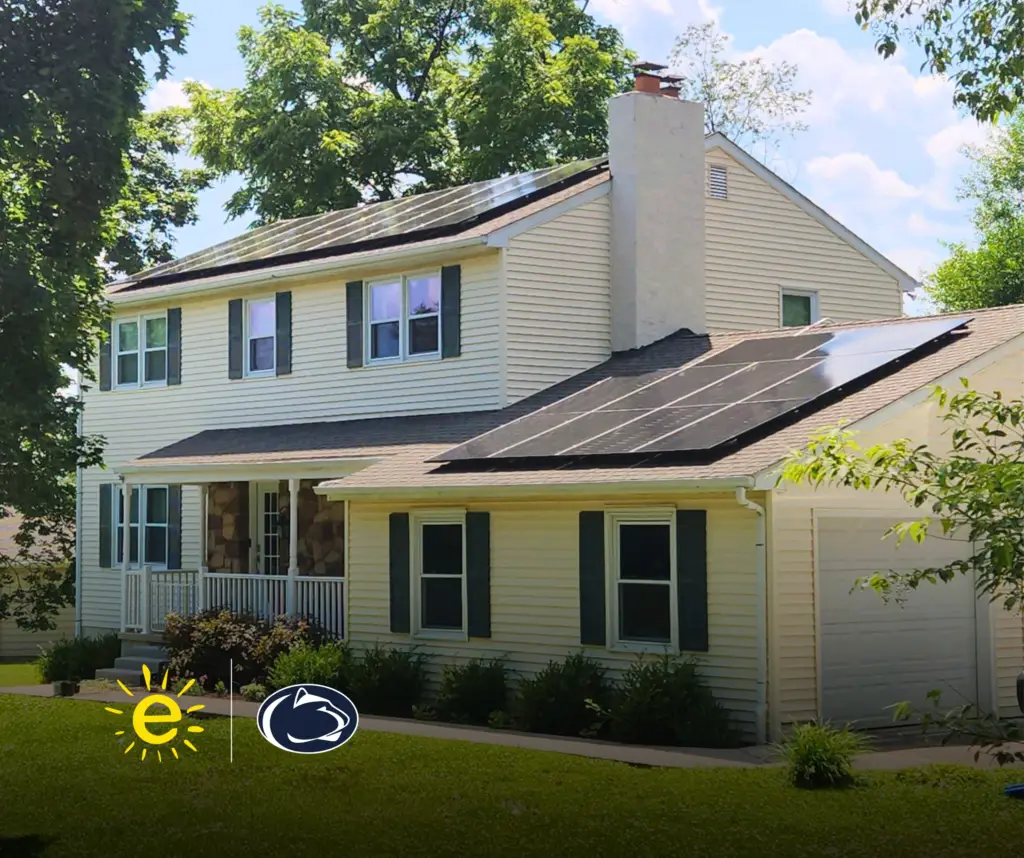
For most new construction homes, a roof-mounted solar panel system is the most natural choice. A tilted south facing solar panel provides the most efficiency without extra racking. Flat roofs work too, using tilted mounting racks towards the sun, but this will add some cost to the installation.
If your new home build is in a heavily shaded area, or you’d rather keep your roof untouched. Ground mounted solar panels might be another option due to its flexibility on the orientation and tilt, if you have the land for it.
Sizing And Placement
Budget plays a role here to determine sizing, the amount of panels, and the capacity that makes sense for your household’s energy usage. FYI – you can always add solar panels to your existing system later down the line.
Whichever system type you decide to move forward with, we install Silfab solar panels, paired with a Tesla Powerwall battery storage (optional), giving you high-efficiency energy production alongside reliable backup power, so you’re covered even when the grid isn’t.
HOA Considerations Before You Break Ground
A good question to ask yourself is “will your new home build be in a neighborhood with a Home Owner’s Association (HOA)” HOA restrictions can differ neighborhood by neighborhood, and not all HOA are solar panel friendly.
Sometimes the HOA is still controlled by the developer until the community is fully built out. So we’d recommend checking with your realtor or developer while the community is under construction.
Electrical & Structural Planning During the Build
Typically when people install solar panels, they would need to tear down the drywall to conduct conduit routing when going solar. Or even connecting an EV charger.
Luckily since you’re planning solar during new construction, you skip this problem entirely. The drywall isn’t up yet, so conduit can be run through open walls, saving both time and money compared to a retrofit.
What Solar Costs (and Saves) for a New Construction Home
In the long run solar can save you money, and taking the initiative to install it within your new construction design can initial installation costs from retrofitting:
Home Size | Estimated Energy Usage | Typical System Size | Est. Monthly Savings | Retrofit Cost Premium |
1,500 sq ft | ~700–850 kWh/month | ~6–8 kW system (~15–20 panels) | ~$80–$130/month | +~20% vs. new construction |
2,000 sq ft | ~900–1,100 kWh/month | ~8–10 kW system (~20–26 panels) | ~$100–$160/month | +~20% vs. new construction |
2,500 sq ft | ~1,100–1,300 kWh/month | ~10–12 kW system (~25–30 panels) | ~$130–$190/month | +~20% vs. new construction |
3,000+ sq ft | ~1,300+ kWh/month | ~12–15+ kW system (~30–38 panels) | ~$160–$230+/month | +~20% vs. new construction |
We also include a $0-down lease/PPA qualification path alongside loan/cash.
New Home Solar Incentives To Consider In Pennsylvania
Sadly the 30% Residential Clean Energy Credit (Section 25D) for purchased residential solar expired for expenses after December 31, 2025, due to the “One Big Beautiful Bill Act.”
But there are still ways you can leverage solar incentives within Pennsylvania.
Pennsylvania’s primary state incentive is Solar Renewable Energy Credits (also called SREC), which are earned for each 1,000 kWh your solar panel system produces. Basically giving you extra cash on top of your electric bill saving, which will shorten your payback period – improving ROI.
You can also consider net metering, which pretty much lets you sell excess solar energy your system produces back into the grid in exchange for credits on your electric bill.
Between SREC payments and net metering credits, Pennsylvania homeowners can still meaningfully offset installation costs, even without the federal purchase credit.
Work With The Best Pennsylvania Solar Installer for Your New Build!
Installing solar new construction is the smartest decision to save money on installation costs and money in the long run. Having the right team behind you makes all the difference.
At Ethical Energy Solar, we’ve installed thousands of solar panels for new construction of homeowners across Pennsylvania design tailored solar systems built from the ground up.
Ready to see what solar for your new construction looks like for your build? Schedule your free solar consultation today or call 717-594-0003.